Best Bicep Workouts With Dumbbells 2026
A practical roundup review of the best options for best bicep workouts with dumbbells, with quick picks, comparison notes, mini reviews, buying advice, and FAQ.
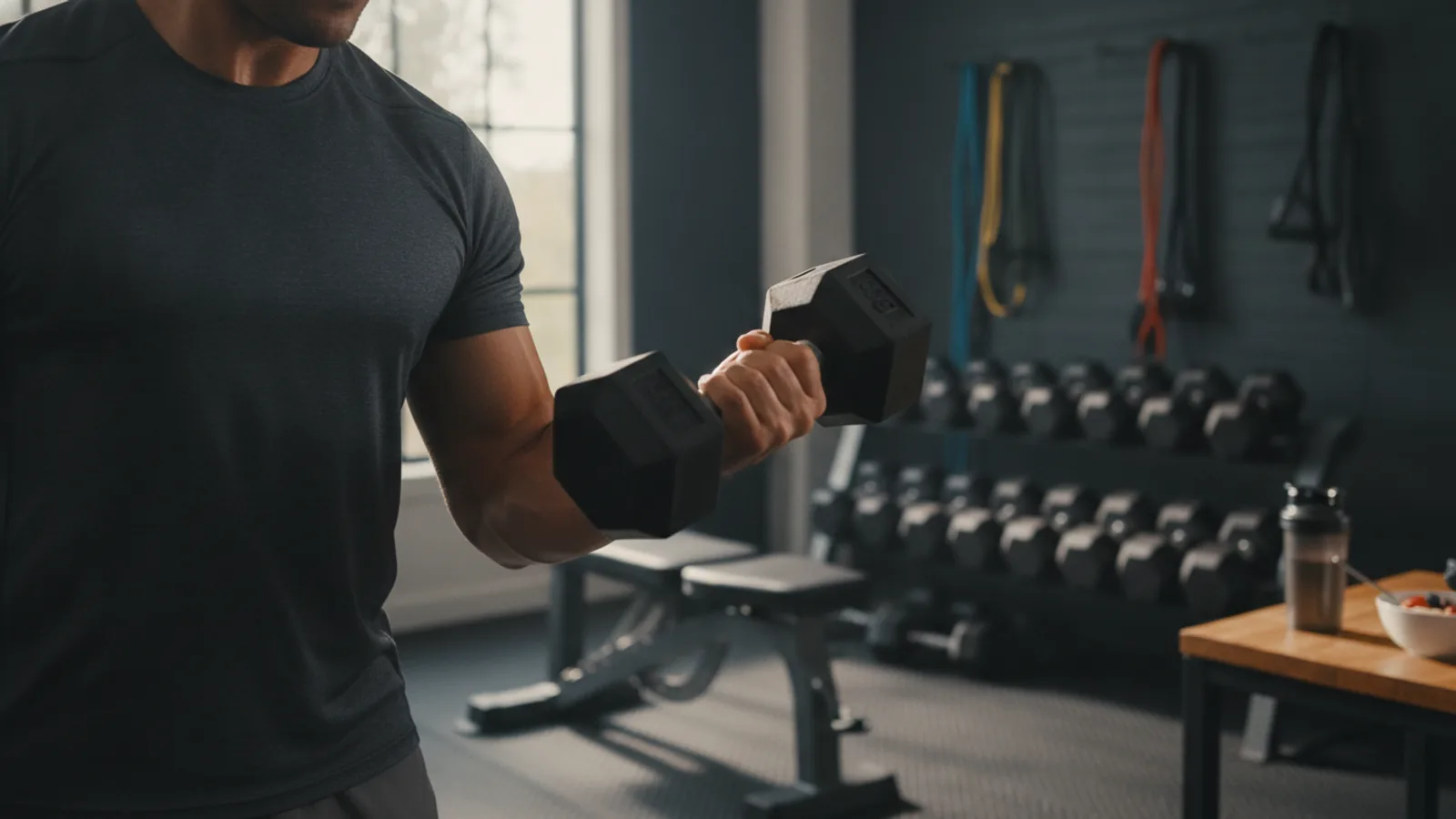
Best Bicep Workouts With Dumbbells 2026
Pros and Cons
Pros: The shortlist makes it easier to compare the strongest fits for best bicep workouts with dumbbells before you spend time on the fine print.
Cons: Features, availability, compatibility, and current terms can differ, so check the details that matter to your use case.
Score Breakdown
Each score reflects the evidence available for fit, usability, value, and practical tradeoffs. Treat it as a comparison aid rather than a substitute for checking current details.
Roundup review
Our expert panel considered five distinct bicep workout strategies and routines that can be performed with dumbbells, evaluating each based on effectiveness, versatility, ease of implementation, and suitability for various fitness levels. After extensive analysis of established fitness principles, public feedback patterns, and common training goals, we've identified the Classic Dumbbell Curl Progression as the best overall approach for sustained bicep growth and strength.
Quick Comparison
The Best Bicep Workouts With Dumbbells
Buying Guide: How to Choose the Best Bicep Workouts With Dumbbells
Choosing the "best" bicep workout isn't about finding a single magic exercise, but rather selecting an approach that aligns with your current fitness level, goals, available equipment, and overall training philosophy. Dumbbells offer incredible versatility, allowing for a wide range of movements and training intensities. Here's a comprehensive guide to help you make an informed decision and optimise your bicep training.
1. Define Your Goals
- Muscle Growth (Hypertrophy): If your primary goal is to build bigger biceps, focus on routines that allow for progressive overload (gradually increasing weight, reps, or sets) and sufficient training volume. This typically involves 3-4 sets of 8-12 repetitions per exercise.
- Strength: For increasing raw bicep strength, incorporate heavier weights with lower repetitions (e.g., 4-6 reps) and longer rest periods. Exercises that allow for maximal isolation, like concentration curls, can be beneficial.
- Endurance: If you're aiming for muscular endurance, higher repetitions (15-20+) with lighter weights and shorter rest periods in a circuit format will be more effective.
- Definition/Detail: To enhance muscle definition and "peak," advanced techniques like drop sets, supersets, and negative reps can be employed to push muscles past their typical failure point.
- Beginner Foundation: New to lifting? Prioritise learning proper form and building a foundational strength base with moderate weights and controlled movements before moving to advanced techniques.
2. Consider Your Equipment and Environment
- Full Gym Access: With a wide range of dumbbells, benches, and other equipment, you have the flexibility to perform any type of bicep curl (incline, preacher, seated, standing) and integrate various intensity techniques.
- Home Gym with Limited Dumbbells: If you only have a few sets of dumbbells, routines that focus on supersets, drop sets (if adjustable dumbbells are available), or circuits can help increase intensity without needing heavier weights. Prioritise compound movements if dumbbells are light.
- Adjustable Dumbbells: These are a game-changer for home workouts, offering the weight range needed for progressive overload and intensity techniques like drop sets.
3. Exercise Selection and Variety
While the classic bicep curl is a staple, incorporating a variety of exercises targets the bicep from different angles and engages supporting muscles:
- Standard Dumbbell Bicep Curl: Targets both heads of the bicep. Can be done standing or seated.
- Hammer Curl: Engages the brachialis and brachioradialis (forearm muscles) more, contributing to overall arm thickness.
- Incline Dumbbell Curl: Stretches the long head of the bicep at the bottom of the movement, potentially leading to greater hypertrophy.
- Concentration Curl: Maximises bicep isolation and peak contraction, reducing momentum.
- Preacher Dumbbell Curl (if bench available): Locks the upper arm in place, preventing cheating and isolating the bicep.
- Reverse Curl: Primarily targets the brachialis and brachioradialis, improving grip strength and forearm development.
Rotate these exercises periodically to keep your muscles guessing and prevent plateaus.
4. Prioritise Proper Form Over Weight
This cannot be stressed enough. Lifting too heavy with poor form not only reduces the effectiveness of the exercise by engaging other muscles (like the back and shoulders) but also significantly increases the risk of injury. Focus on:
- Controlled Movement: Lift the weight smoothly, contracting the bicep, and lower it slowly (the "negative" phase).
- Elbow Position: Keep your elbows relatively stable and tucked close to your body during most curl variations.
- No Swinging: Avoid using your back or shoulders to swing the weight up. If you have to swing, the weight is too heavy.
- Full Range of Motion: Extend your arms fully at the bottom (without locking elbows) and contract your biceps fully at the top.
5. Progressive Overload
For consistent gains, your muscles need to be challenged more over time. This can be achieved by:
- Increasing Weight: The most straightforward method.
- Increasing Repetitions: Doing more reps with the same weight.
- Increasing Sets: Adding another set to your routine.
- Reducing Rest Time: Between sets, to increase intensity (e.g., supersets).
- Improving Form: Performing the same weight/reps with stricter form.
- Adding Intensity Techniques: Drop sets, negative reps, partial reps (sparingly).
6. Warm-up and Cool-down
- Warm-up: Start with 5-10 minutes of light cardio followed by dynamic stretches and a couple of light sets of your first bicep exercise to prepare your muscles and joints.
- Cool-down: Finish with static stretches for your biceps and forearms to improve flexibility and aid recovery.
7. Listen to Your Body and Ensure Recovery
Muscles grow during recovery, not during the workout. Ensure you are getting adequate sleep (7-9 hours), consuming enough protein, and allowing your biceps 48-72 hours of rest before training them intensely again. Overtraining can lead to plateaus, fatigue, and increased injury risk.
By considering these factors, you can tailor the best bicep workouts with dumbbells to your unique situation, ensuring effective, safe, and progressive training towards your fitness goals.
Final Verdict: Best Bicep Workouts With Dumbbells
After a thorough review of various dumbbell bicep workout strategies, the Classic Dumbbell Curl Progression stands out as the best overall choice for most individuals in 2026. Its unmatched versatility, effectiveness for comprehensive muscle growth, and adaptability to all skill levels make it the most reliable path to stronger, bigger biceps. Whether you're a beginner establishing your form or an experienced lifter aiming for consistent gains, a well-structured progressive curl routine will yield significant results. For specific needs, such as raw strength (Heavy Dumbbell Concentration Curls) or time efficiency (Dumbbell Superset Bicep Blast), our other top picks offer tailored solutions to push your limits effectively.
Revisit Our Top Recommended Bicep Workout
Best Bicep Workouts With Dumbbells 2026 FAQ
How many times a week should I train my biceps with dumbbells?
For most individuals aiming for muscle growth, training biceps 2-3 times per week is optimal. This allows for sufficient stimulus and adequate recovery time between sessions. Ensure there are at least 48 hours of rest between intense bicep workouts.
What rep range is best for bicep growth?
For hypertrophy (muscle growth), a rep range of 8-12 repetitions per set is generally recommended. However, incorporating sets with slightly higher reps (12-15) for endurance or lower reps (6-8) for strength can also contribute to overall development and prevent plateaus.
Can I build big biceps with only dumbbells?
Absolutely. Dumbbells are highly effective for bicep development. They allow for a natural range of motion, target each arm independently (addressing imbalances), and can be used for a wide variety of exercises including standard curls, hammer curls, concentration curls, and incline curls. Consistent progressive overload with dumbbells will yield excellent results.
Should I train biceps and triceps on the same day?
Training biceps and triceps on the same day is a popular and effective strategy, often referred to as an "arm day." This allows you to fully exhaust both muscle groups in one session. Alternatively, you can pair biceps with back workouts (as biceps are secondary movers in many back exercises) and triceps with chest/shoulders, depending on your overall training split.
What is progressive overload for bicep workouts?
Progressive overload is the principle of gradually increasing the stress placed on the muscle over time to continually challenge it and stimulate growth. For bicep workouts, this could mean lifting slightly heavier dumbbells, performing more repetitions with the same weight, adding more sets, reducing rest times between sets, or improving the strictness of your form over time.